
Let the children play freely

Encouraging movement, exploration, and social interaction through dynamic and engaging water play environments.

Book a free consultation
Children play splash

Free play is under pressure

Children’s free play and movement are under pressure today and it won’t get better in the future if we don’t do something about it.
Instead of free play and movement, children and young people today are often engaged in other things, such as “screen time.” While this may be excellent in reasonable quantities, it cannot replace the important benefits that free play and movement offer everyone.

Why is free play time important?

Scientific research is quite impressive when it comes to how much free play and movement can help and support the development of children and young people. Did you know that child-led play can strengthen the ability to go to kindergarten with less stress? Or that free play can strengthen your child’s ability to make decisions?
In fact, there are many benefits that children and young people can enjoy through free play and movement.

Don't underestimate free time and play

It’s very easy to fill in the calendar on behalf of our children. Not to decide everything in their lives, because we just want to make sure they develop into sensible and balanced adults. Therefore, we try to give them many opportunities to best embrace a wide range of skills. But if sports, school, dance and extracurricular activities fill children’s calendars in such large quantities, is it perhaps harmful to them? According to a number of experts, this may be the case. Research has shown that children and adolescents need unstructured time to create their own games with their own rules at their own pace. Whether they choose to play with friends outside or alone in their own room, free play and movement are invaluable for their heart, body and mind.

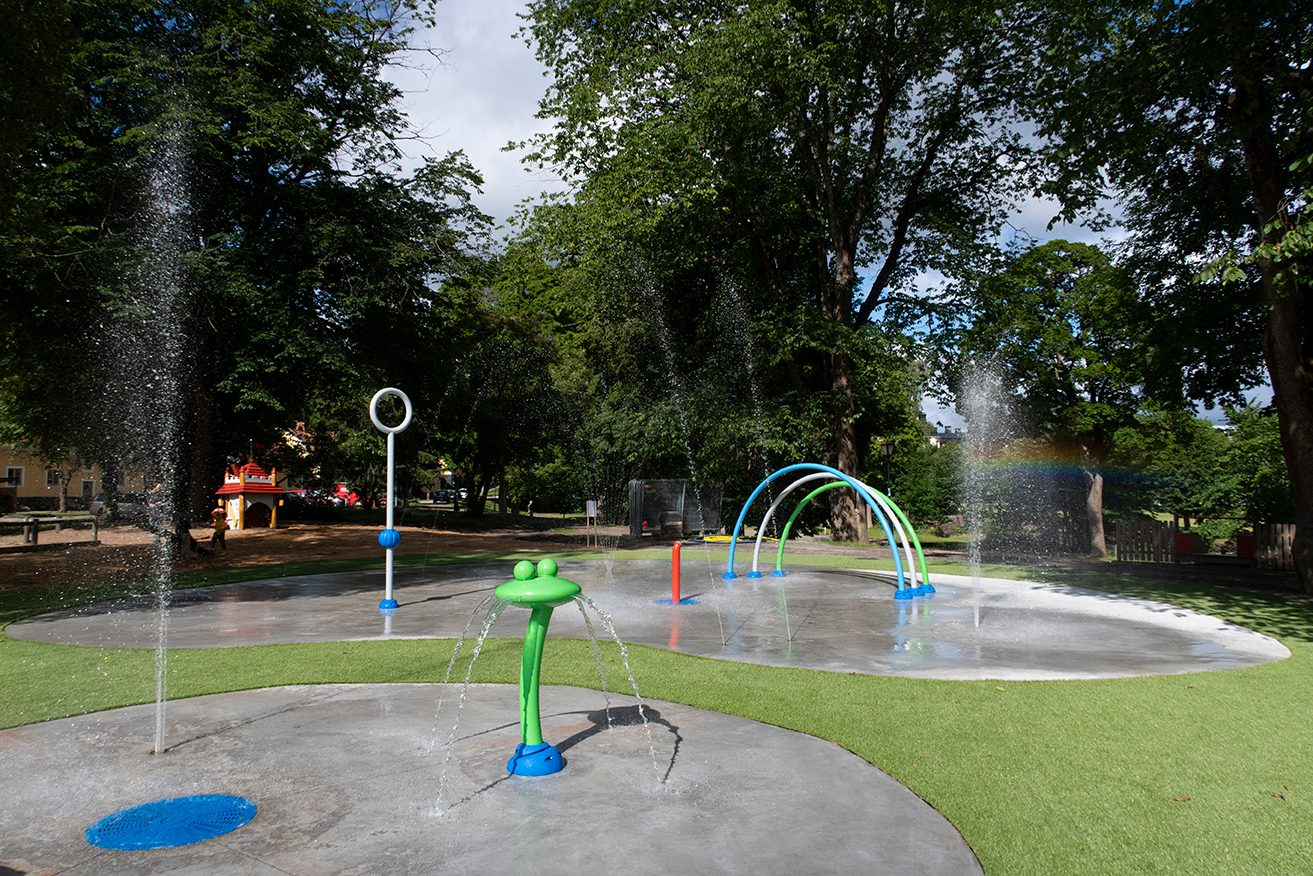
Water park

Character and personality

– Strengthens self-confidence and self-esteem

– Promotes the ability to recover from defeat

– Helps reduce stress and nervousness

– Can lead to the discovery of lifelong interests

– Satisfaction with oneself and one’s place in the world

– Trains in understanding and avoiding dangerous situations

– Inspires the discovery of the world

– Reduces or combats fear

– Broadens the ability to understand the points of view of others

House

Brain and mind

– Develops cognitive abilities

– Promotes decision-making

– Increases creativity

– Nourishes the imagination

– Supports learning

– Teaches problem-solving skills

– Promotes free and flexible thinking

– Develops language and communication

– Develops concepts of size, shape and texture

– Strengthens the ability to pay attention

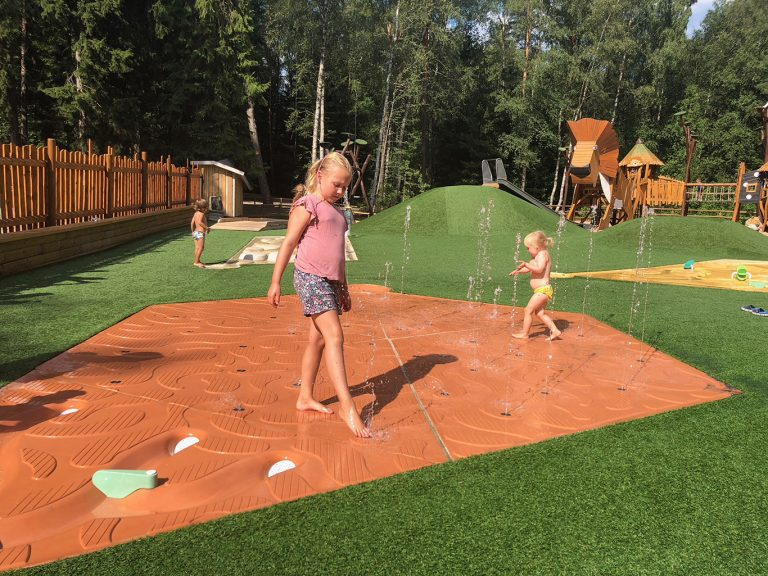
Children play

Physical development

– Promotes physical activity and health

– Develops fine motor skills
– Improves gross motor skills
- Develops dexterity

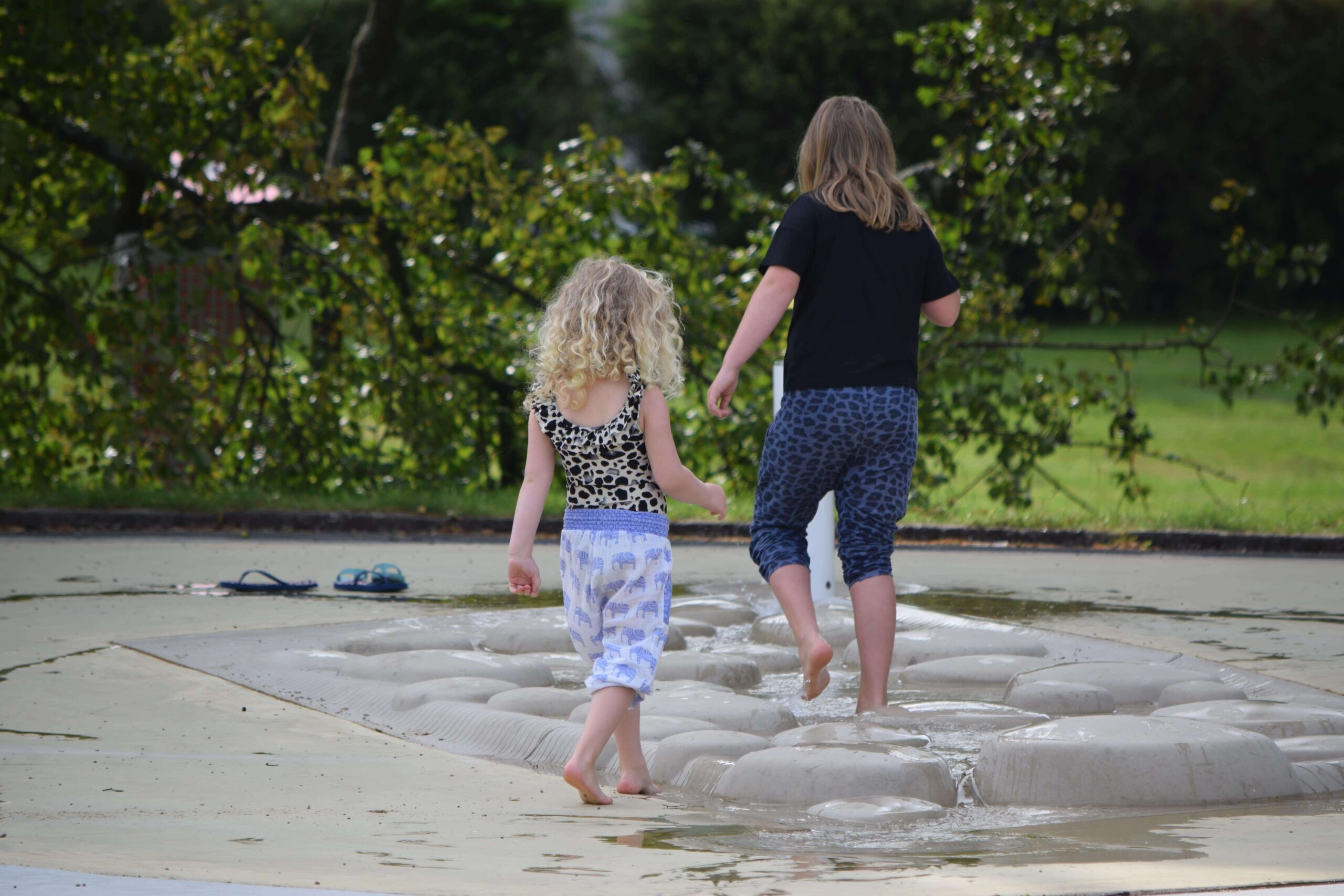
Children play

Emotional and social skills

– Learn to manage emotions

– Strengthens cooperation and the ability to work in a group

– Promotes empathy

– Develops the ability to receive and respond to feedback

– Trains the ability to negotiate and resolve conflicts

– Creates and strengthens friendships

– Learns and strengthens social interaction

– Demonstrates the ability to lead

– Builds strong bonds with parents

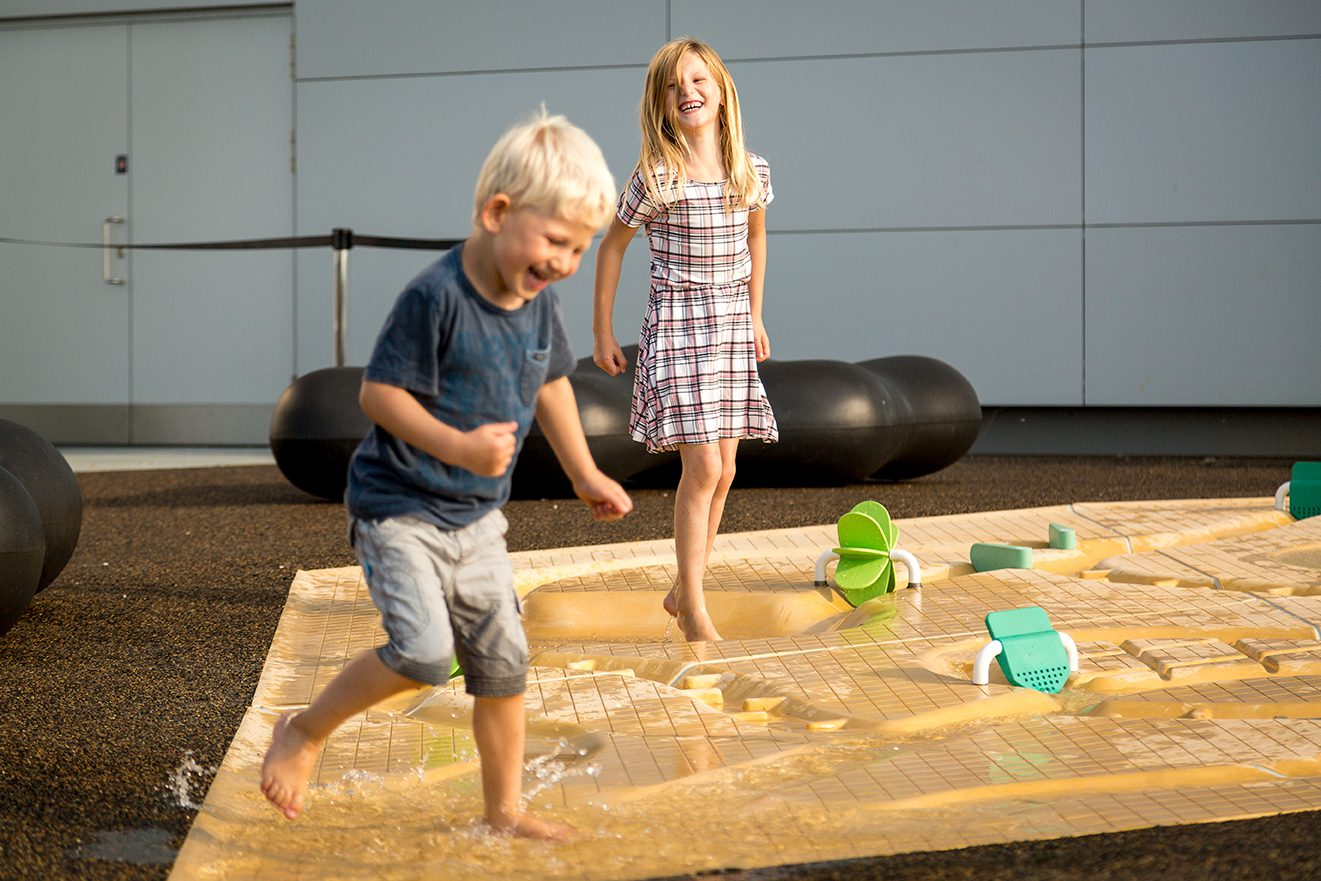
Children play

Academic performance

– Promotes academic skills

– Prepares and facilitates the transition to preschool and school

– Teaches and assists with access to preschools, schools and other groups

– Develops a sense of language and speech

This site is registered on wpml.org as a development site. Switch to a production site key to remove this banner.